
How to Research Eye Color Change Safely
Eye color change has become a popular topic on social media, forums and commercial websites. Unfortunately, much of the online content about changing eye color is incomplete, biased or written with purely marketing intentions. This page was created to help you understand how to read and interpret information about eye color change in a safer, more structured way.
EyeColorChange.net does not perform any medical procedures. Instead, this site acts as an informational bridge, organizing key questions and directing readers toward medically oriented, transparent resources, especially the clinical work and publications of the MyLumineyes® team.

1. First Understand How Eye Color Really Works
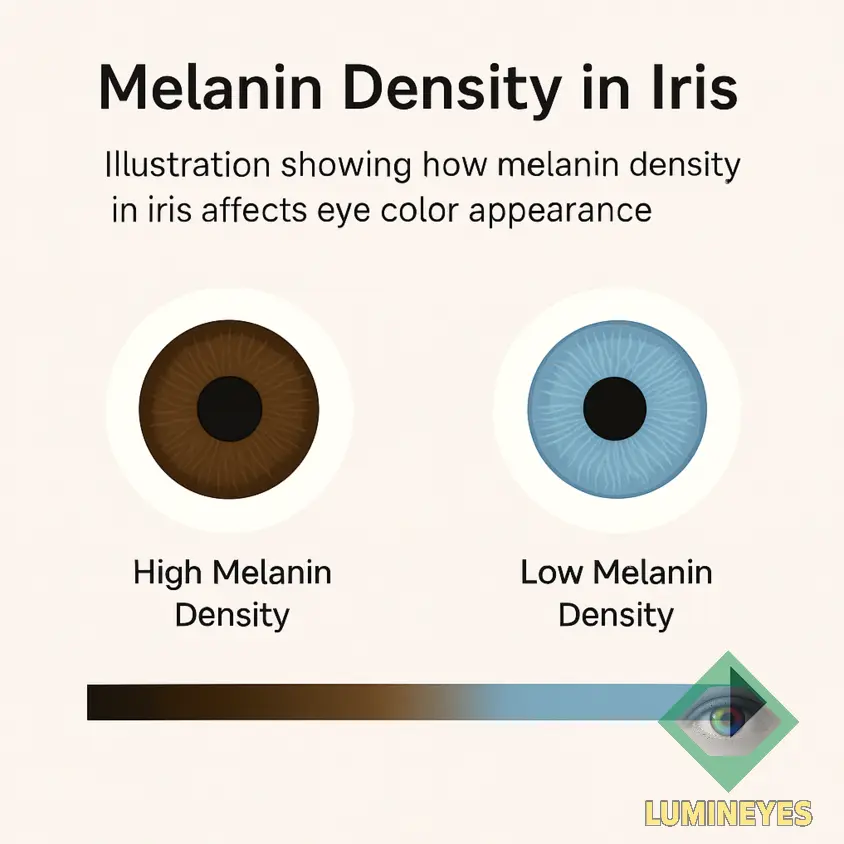
Before thinking about any method, you should understand how eye color is actually formed. Blue, green, hazel and brown eyes are not created like paint on a surface. The final appearance depends on:
- Genetic programming that shapes iris structure and melanin distribution
- The density and depth of stromal melanin in the iris
- How light is scattered and reflected inside the iris tissues
- The condition of the ocular surface and anterior segment
When you know these basics, you are less vulnerable to unrealistic claims. Any serious discussion about eye color change should be compatible with iris biology and genetics, not with simplified “blue gene / brown gene” stories or cosmetic promises.
2. Learn Why Eyes Sometimes Seem to Change Color
Many people start searching for “eye color change” after noticing that their eyes look lighter or darker in different photos or environments. In many cases this does not mean that the iris itself has changed. Apparent changes can be caused by:
- Lighting conditions, camera angle or image processing
- Changes in pupil size that expose more or less iris tissue
- Reflections from clothing, make-up or background colors
- Transient medical factors, inflammation or certain medications
A medically written explanation of these effects helps you separate normal variation from situations that truly require an examination by a specialist. It also prevents you from attributing every small visual difference to a “miracle method”.
3. Know the Main Categories of Eye Color Change Methods
Once you understand how eye color is determined, the next step is to classify the different interventions that are marketed as ways to change eye color. In general they fall into a few groups:
- Reversible, non-medical options such as colored contact lenses
- Intraocular implants that place artificial material inside the eye
- Corneal pigmentation or “tattooing” procedures
- Laser-based techniques that aim to modify stromal melanin in the iris
Each group has a different risk profile and long-term impact on the cornea, iris and drainage angle. Some methods are associated with serious complications such as corneal decompensation, uveitis, glaucoma and even permanent vision loss. A responsible article will describe not only the desired cosmetic result but also the worst-case scenarios and long-term follow-up data.
4. Read Laser Techniques as Medical Procedures, Not Cosmetic Tricks
Laser-based approaches are often advertised as “non-surgical” or “simple”. In reality they interact with living ocular tissues and must be evaluated as medical procedures. A serious description of laser eye color change should discuss:
- Basic laser parameters and how they interact with iris structures
- Which grades of brown eyes are realistic candidates and which are not
- Exclusion criteria for patients with ocular or systemic risk factors
- Expected number of sessions for different starting colors
- How patients are monitored during and after the procedure
When an article presents only “before–after” photos and emotional testimonials without this level of detail, it should not be used as the main basis for your decision.
5. Be Careful With the Word “Permanent”
The word “permanent” is frequently used in marketing, but in medicine it must be supported by long-term data. A realistic discussion of permanent eye color change includes:
- How stable the tissue response has been over years of follow-up
- Whether late complications have appeared in previously treated eyes
- Whether additional interventions were needed later
- How the procedure interacts with natural aging and other eye diseases
Any text that promises a permanent cosmetic result without addressing these questions should be read with great skepticism, especially when it concerns non-replaceable organs such as the eyes.
6. Learn to Read Before–After Photos Critically
Before–after photographs are powerful tools but also a frequent source of illusion. When you look at these images, consider:
- Is the lighting truly comparable between the first and second photo?
- Is the iris clearly visible, or is it partly hidden by reflections or shadows?
- Are only the most impressive results shown, without examples of modest change?
- Is there commentary about limitations and difficult cases, not only success stories?
Standardized, honest galleries usually show realistic improvements and mention that results differ between individuals, especially for very dark (grade 3–4) brown eyes.
7. Always Check Who Is Behind the Information
In medicine, the credibility of information depends strongly on who is responsible for it. Before trusting any article about eye color change, ask:
- Is the content written or supervised by an ophthalmologist?
- Does the author have experience with anterior segment and iris physiology?
- Are conflicts of interest and limitations clearly stated?
- Is there a consistent philosophy about rejecting unsafe or unsuitable cases?
Transparent clinics and authors usually explain their background, their doubts and the evolution of their technique over time. Anonymous texts with no medical identity and no discussion of risk should not guide your decisions.
Key MyLumineyes® Resources for Deeper Reading
For readers who want medically oriented, detailed information about eye color, genetics and laser eye color change procedures, the following pages on the official MyLumineyes® website are essential starting points:
Medical Disclaimer
All information on this website (EyeColorChange.net) is provided for educational and informational purposes only. It does not constitute medical advice and is not a substitute for an in-person ophthalmologic examination, diagnosis or treatment. Any decision about eye color change procedures must be made together with a qualified eye specialist after a complete evaluation of your medical history and ocular findings.
Laser-based eye color change processes form part of an evolving clinical field and may not be approved in every country or jurisdiction. Final suitability, expected color range, number of sessions and risk assessment can only be determined individually. If you do not have the financial and psychological capacity to complete the required sessions and follow-up visits, you should not start any elective eye color change procedure.